Workshops Events
STROM ZIVOTA
Soon to be updated!
CASPAE
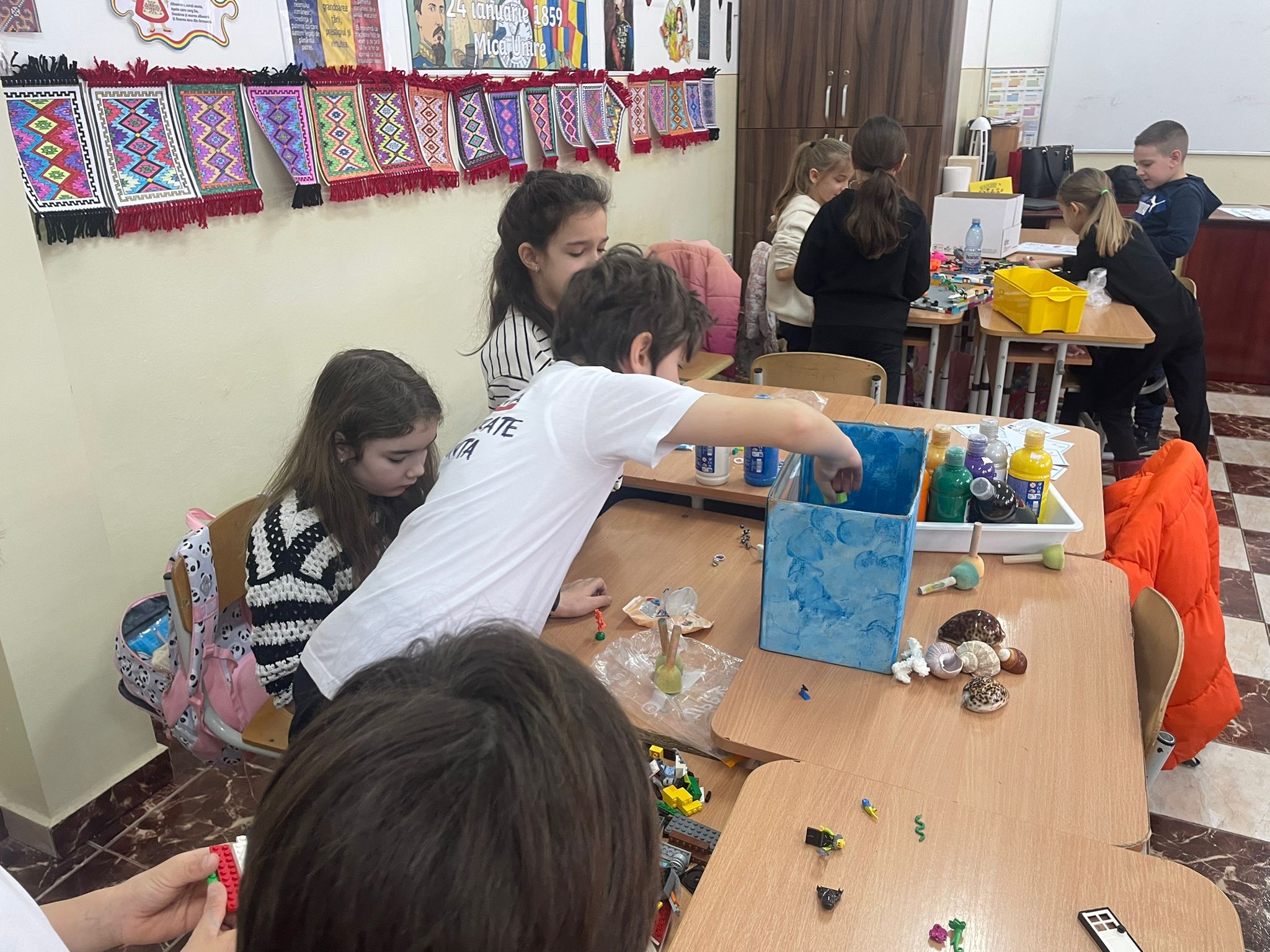
The workshops were highly successful, engaging children in interactive and educational activities centered around urban sustainability. Participants had the opportunity to build various imaginative environments using recycled and eco-friendly materials, blending creativity with learning. These hands-on sessions not only sparked their interest in environmental issues but also laid a foundation for STEM-based thinking in addressing real-world challenges such as climate change. The children demonstrated growing curiosity and understanding of sustainable city planning, further reinforced by the fun, collaborative atmosphere of the workshops.
MVNGO
Soon to be updated!
ECO-LOGIC
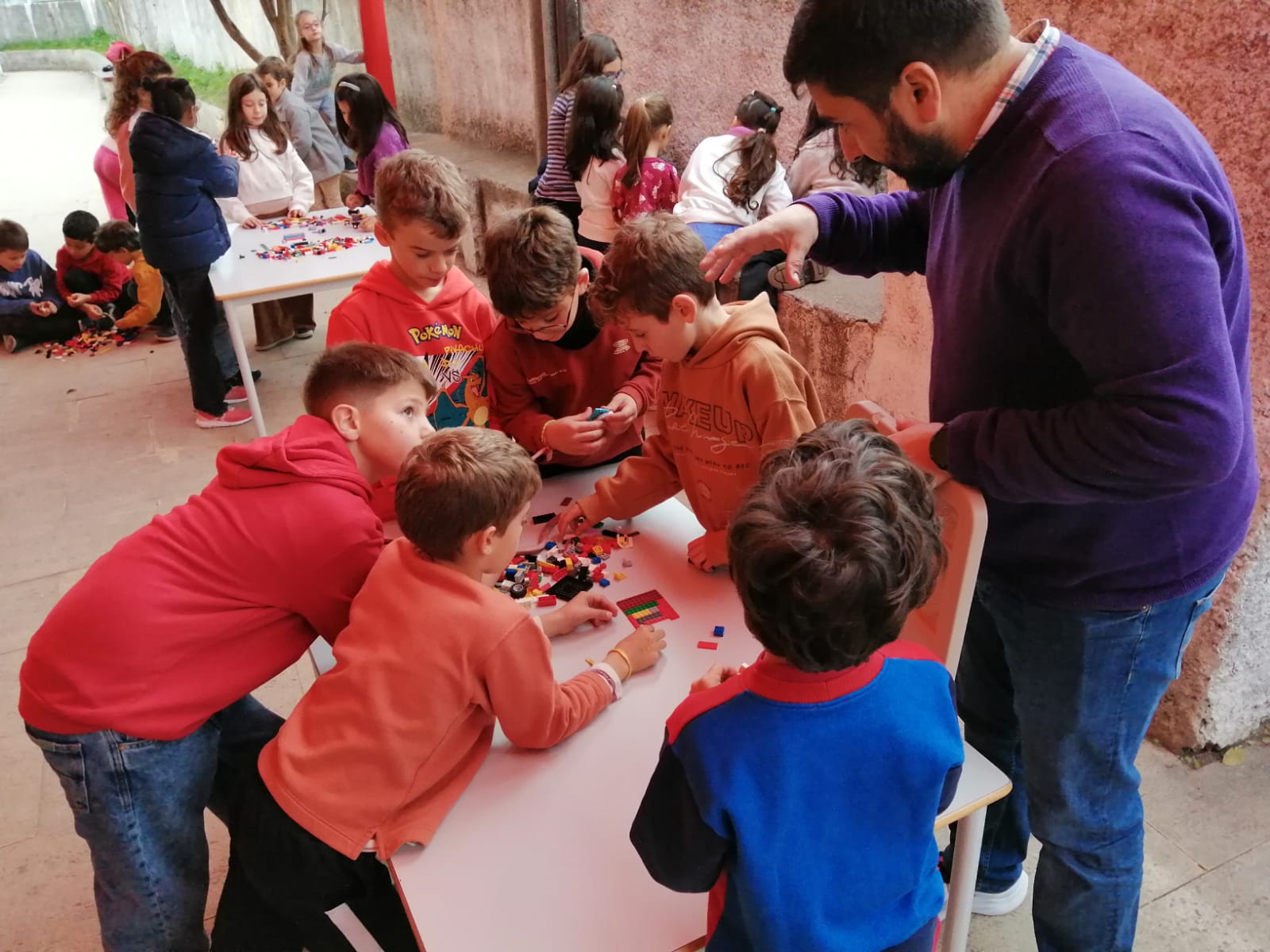
Students were introduced to the fundamental principles of sustainable development and explored how these ideas intersect with different elements of community life. Whether designing flower beds, bee gardens, football pitches or reimagining local post offices, students learned to apply sustainability in diverse and creative ways. The projects emphasized teamwork, problem-solving and innovation, allowing students to conceptualize and construct eco-conscious models. Through this process, they developed a deeper appreciation for environmental stewardship and gained practical insights into how thoughtful planning and design can contribute to healthier and more resilient communities.
CFPC
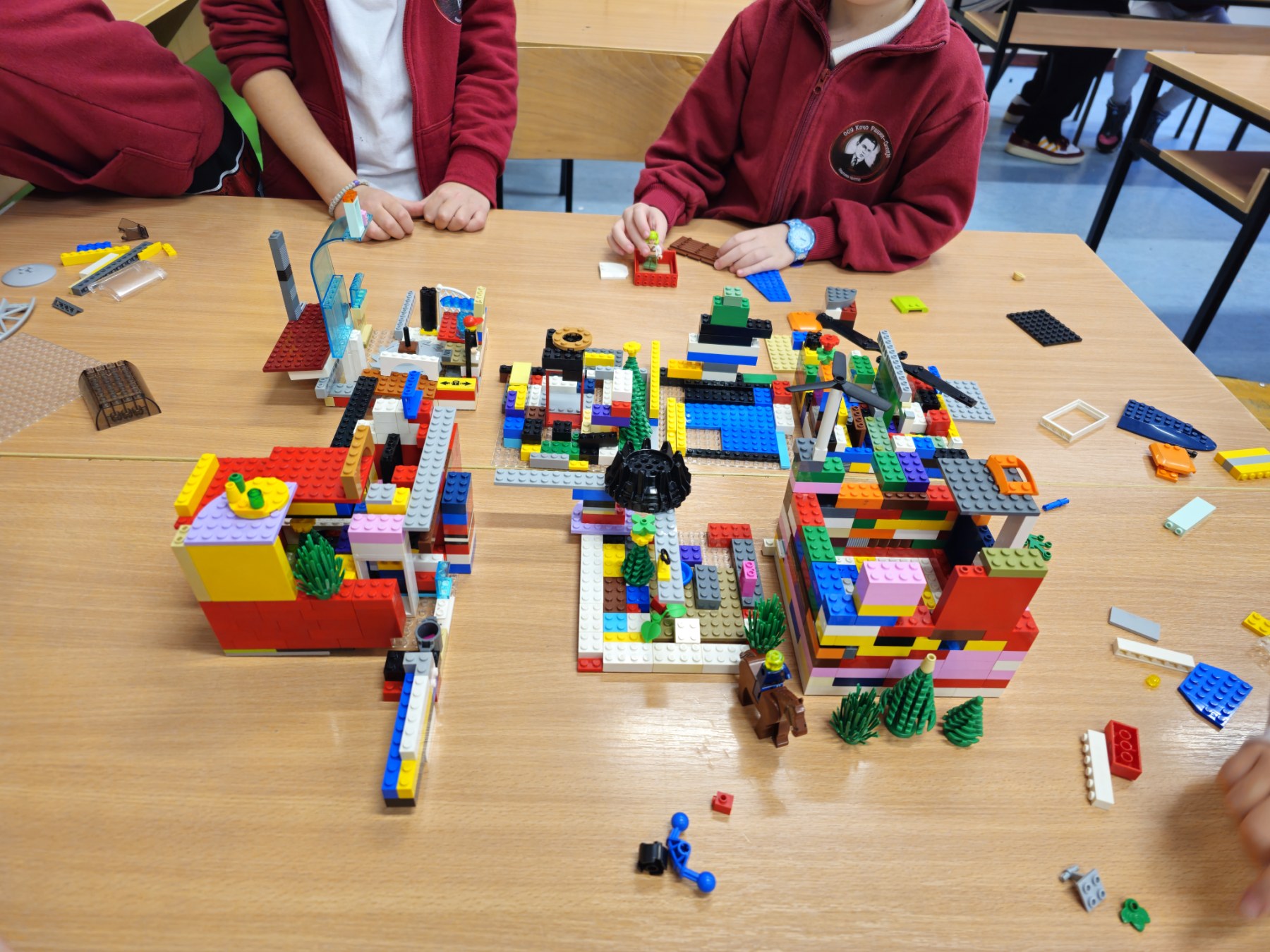
Children were guided through a series of dynamic activities that revolved around common community environments such as aquariums, police stations, banks, sea walls, parks and more. Each activity was designed with the goal of introducing concepts of sustainable urban design in a way that preschoolers could easily relate to. By engaging with familiar spaces, students were able to connect sustainability with their everyday surroundings. These exercises effectively increased awareness of eco-friendly infrastructure and encouraged early thinking about how cities can be both functional and environmentally conscious. Core ideas like green spaces, renewable materials and energy efficiency were seamlessly integrated into the learning experience.